Wrapped in Plastic: From your Closet to your Dinner Plate

“Plastic will be the main ingredient of all our grandchildren’s recipes.”
– Anthony T. Hincks
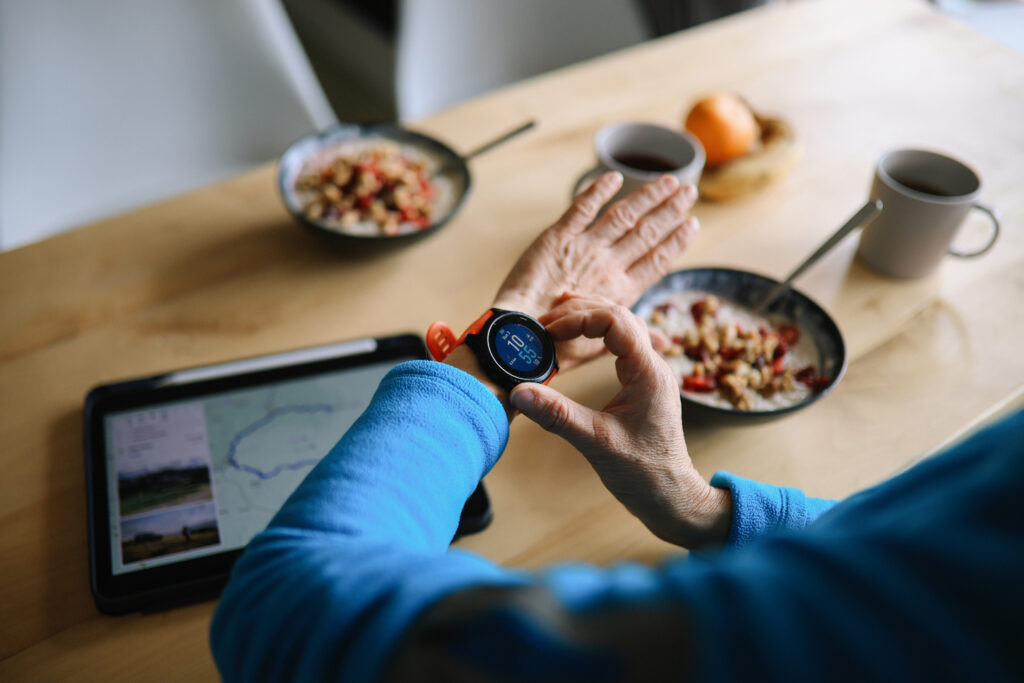
It is early morning, and you are standing in front of your closet, deciding what to wear. You reach for your comfortable pair of leggings, head to the kitchen, and pour yourself a bowl of oatmeal or a cup of tea. It feels like a normal start to the day.
But an invisible guest is already there. Plastic has quietly become part of daily life, woven into what we wear and what we eat. We are no longer just using it; we are wearing it, breathing it, and eating it. In this blog, we will explore how microplastics and plastic chemicals enter our routines through food and clothing.
From Fabric to Flesh: The Legging Dilemma
Most performance clothing, from high-end workout gear to cozy fleeces, is spun from synthetic fibers like polyester, nylon, and spandex. Here is the literal truth: these fabrics are essentially wearable oil.
Every time you move, stretch, or toss these garments into the washing machine, they shed millionsof microscopic, thread-shaped plastic fragments called microfibers. These fibers do not just vanish; they enter our wastewater and become a permanent fixture of indoor dust.
A landmark 2024 study showed a concerning fact: tiny plastic particles in air and water don’t just pass through us. They are small enough to cross cell barriers, moving from the gut into the blood and reaching important organs like the liver and brain.
In fact, the researchers from the study found microplastics in more than half of the artery plaques they examined. These plaques are fatty deposits – the ‘gunk’ – that build up inside arteries and can clog them.
Even worse, the presence of these plastic fragments correlated with a significantly higher risk of experiencing a heart attack or stroke. To reflect this shift, in April 2026, the U.S. EPA formally listed microplastics as a priority contaminant to monitor in our drinking water.
To appreciate just how widespread microplastics have become, consider a few everyday sources:
- In the Air Around You: Indoor air and household dust contain large numbers of tiny synthetic fibers shed from clothing, carpets, and furniture. These particles are constantly circulating, especially in well-insulated homes, and can be inhaled without you realizing it.
- Choosing Natural Fibers: Wearing and sleeping on natural materials such as cotton, wool, or bamboo can reduce your exposure to synthetic fibers. Even a modest shift can meaningfully lower your contact with microplastics over the course of a year.
But inhaling microplastics is only part of the story. Another major source of exposure comes from something we do every day: eating.
What’s on the Menu?
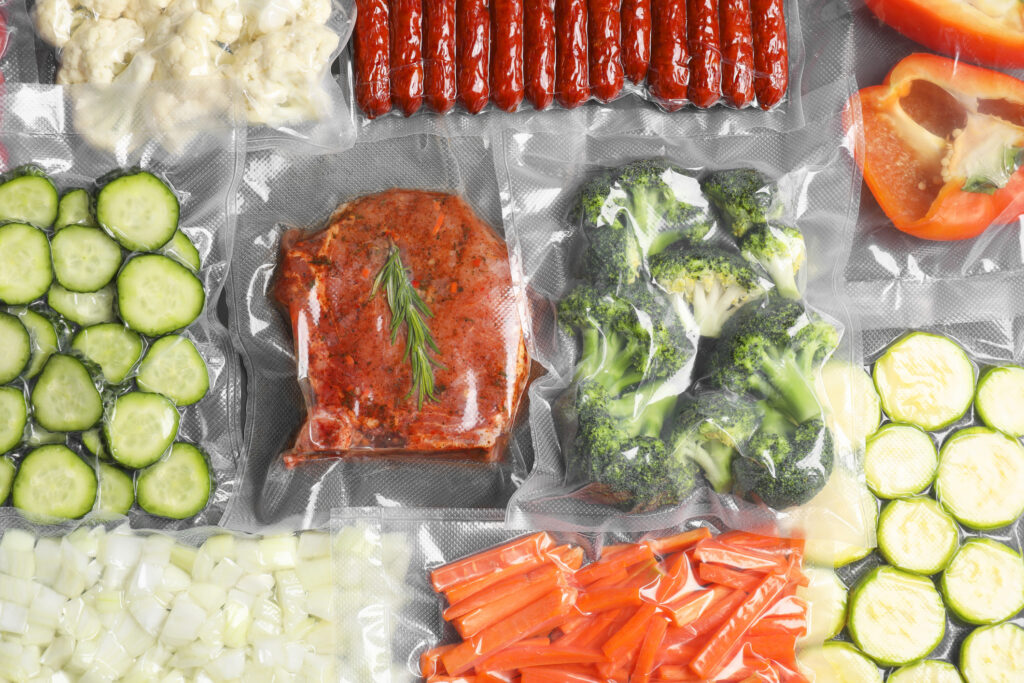
Plastics can also make their way into the food we eat. This happens in two main ways. First, very small pieces of plastic can get into food. Second, chemicals added to plastics can leak into food over time. These chemicals, called phthalates and bisphenols (such as Bisphenol A, or BPA), are used to make plastics flexible and durable. Because they mix easily with fat, they can move from plastic packaging into foods that contain more fat.
Food processing can make this problem even worse. In tests on 85 different foods, Consumer Reports found some of the highest levels of phthalates in highly processed meals.
Studies have also shown that fattier foods tend to collect more of these chemicals. For example, a 2020 review found that heavy cream often contained five to ten times more DEHP (Di(2-ethylhexyl) phthalate), a common phthalate, than regular milk.
In general, the more a food is processed, handled, and wrapped in plastic, the more likely it is to contain small amounts of plastic-related chemicals. To understand why microplastics matter, we need to look inside the body at what happens on a cellular level.
Cellular Sabotage
When tiny plastic particles become trapped in tissues, they can remain there for long periods, acting like tiny splinters that continuously irritate the body. This can trigger a process called oxidative stress.
When plastic particles are present, cells may produce excessive amounts of Reactive Oxygen Species (ROS), highly reactive molecules that can damage healthy tissues. Normally, the body uses antioxidants to keep these molecules under control. But when ROS levels become too high, they can harm our DNA.
Microplastics may also interfere with the function of mitochondria, the structures inside cells that produce most of the body’s energy. Research published in 2024 found that cells containing microplastics showed reduced mitochondrial activity. Over time, this may contribute to symptoms such as fatigue, difficulty concentrating (“brain fog”), and slower recovery after physical activity.
But it is not just mitochondria that plastics target. To unmask the broader, hidden threats, check out our comprehensive guide: Plastic Invasion: Unmasking the Hidden Threat to Our Health
Beyond Microplastics
Microplastics are not the only concern when it comes to synthetic materials. Many products also contain a group of chemicals calledPFAS, which stands for perfluoroalkyl and polyalkyl substances. These chemicals are often called “forever chemicals” because they break down extremely slowly.
PFAS are commonly used to make clothing water-resistant and food packaging resistant to grease. You can find them in items such as rain jackets, stain-resistant fabrics, and some fast-food wrappers.
The problem is that these chemicals do not disappear easily. Research suggests that PFAS may affect the thyroid gland, which helps control metabolism and energy levels, and may also interfere with the normal function of the immune system.
Reducing exposure to these chemicals involves more than simply replacing plastic food containers. To learn more about practical ways to reduce exposure, check out our detailed guide: How to Reduce Forever Chemicals from Your Life
Your Everyday Battle Plan
The good news is that you do not need to throw away everything you own or worry about every piece of plastic around you.
Here are a few simple habits that can help:
- Avoid heating food in plastic containers: Heat causes chemicals and tiny plastic particles to move more easily from the container into food. Onestudy found that heating a plastic container could release more than 4 million microplastic particles from just one square centimeter of its surface!
- Choose loose-leaf tea or paper tea bags: Some tea bags are made from plastic mesh. Research has also shown that steeping a single plastic tea bag in hot water can release about 11.6 billion microplastic particles into a cup of tea!
- Opt for digital receipts when possible: Many paper receipts are printed on thermal paper coated with chemicals like bisphenols. These chemicals can be absorbed through the skin when the receipt is handled.
Small Steps, Big Impact
Plastic surrounds modern life. It is everywhere, from our clothing and our food to even the air we breathe. We cannot remove it completely, but we are not powerless either. Awareness turns exposure into something we can actually manage. This is not about perfection or panic, but about reducing what we can. Simple decisions like avoiding heating food in plastic, choosing less processed options, and being mindful of everyday materials can steadily reduce what enters the body.