Why Wellness Begins at Home and Grows in the Community

“The power of community to create health is far greater than any physician, clinic, or hospital.”
– Mark Hyman
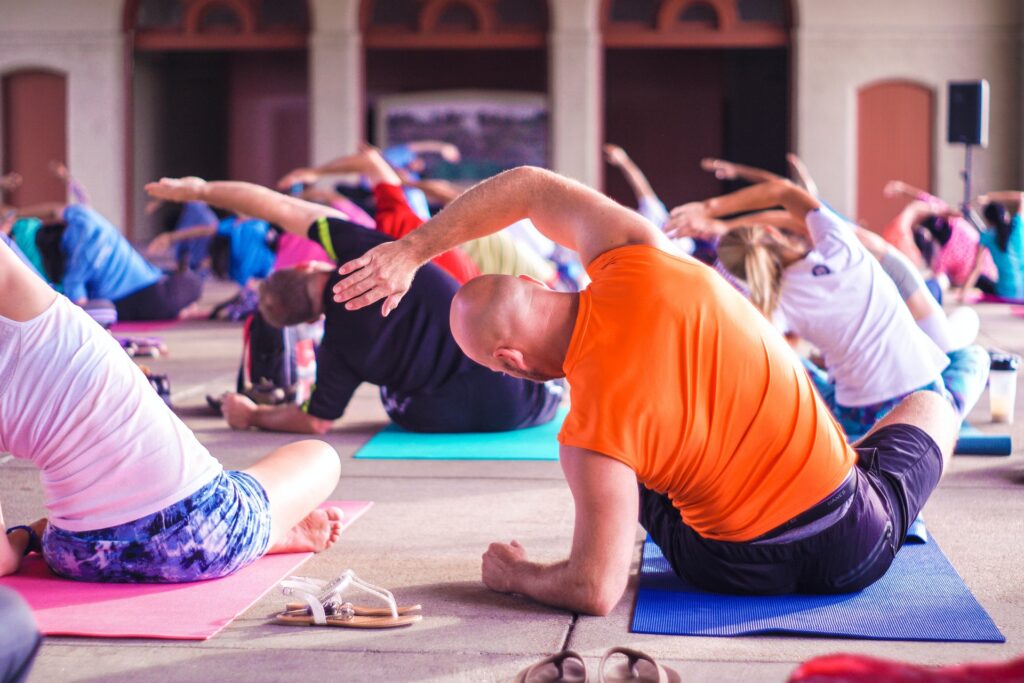
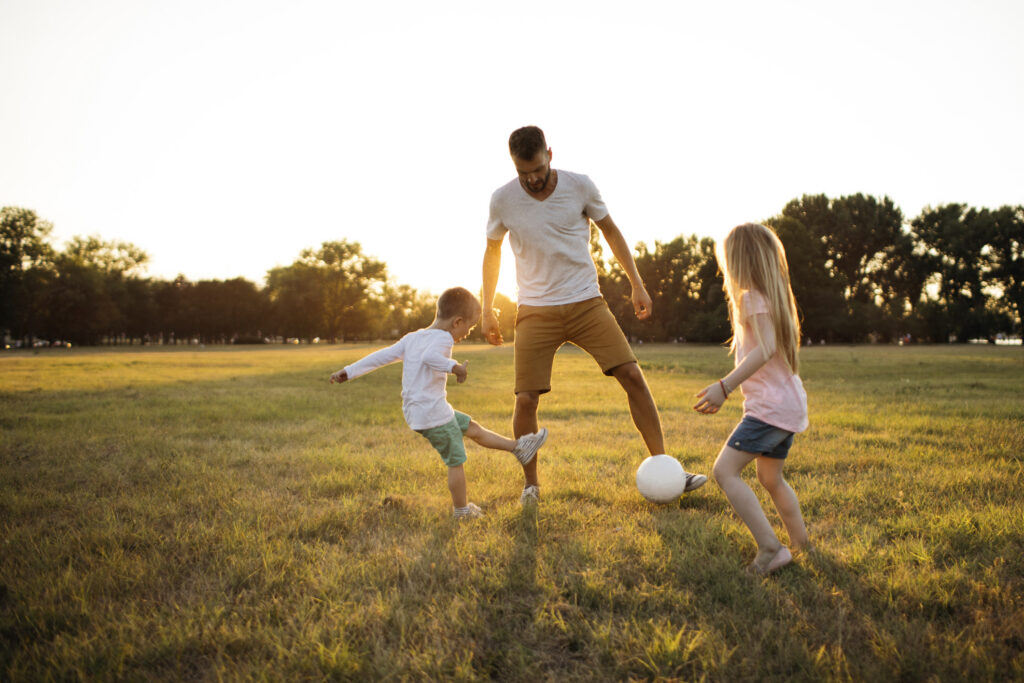
On a bright June morning, a local park becomes more than a green space – it becomes a place of movement, connection, and community. Children race across playgrounds, grandparents join group walks, parents stretch through outdoor yoga, and neighbors gather for wellness events.
That’s the spirit of Family Health & Fitness Day, observed June 13, 2026, and celebrated each year on the second Saturday in June. Supported by the National Recreation and Park Association, this day highlights how parks, recreation, and active living help build healthier communities.
The bigger message? Wellness isn’t built alone. It grows through our daily habits, our relationships, and the communities around us.
Why Family Health Matters More Than Ever
Modern life has quietly changed the way families move. Long workdays, online schooling, screen time, packed schedules, and stress often leave little room for outdoor activity or quality time together. Exercise can start to feel like another task on an endless to-do list rather than something enjoyable or restorative.
That shift affects more than physical fitness.
Lack of movement has been linked to rising rates of obesity, cardiovascular disease, diabetes, anxiety, chronic stress, and poor sleep. Children today are experiencing increasing levels of preventable health conditions tied to sedentary lifestyles, while adults are struggling with burnout and mental fatigue at unprecedented levels.
This is exactly why initiatives like Family Health & Fitness Day matter. They remind us that health does not always require expensive gym memberships, strict workout routines, or dramatic transformations. Sometimes, wellness begins with smaller and more sustainable habits:
- Taking evening walks together
- Playing basketball at the park
- Going on weekend bike rides
- Dancing in the kitchen
- Hiking local trails
- Joining a community yoga or fitness class
These moments may seem simple, but they create consistency, and consistency is what truly shapes long-term health.
The Mental and Emotional Benefits of Moving Together
Exercise is often discussed in terms of calories, weight loss, or athletic performance. Yet one of the most powerful effects of movement is what it does for the mind.
Physical activity helps release endorphins and serotonin, chemicals that improve mood. In fact, spending time outdoors also exposes people to green spaces, which are associated with:
- Lower stress levels
- Reduced blood pressure
- Improved concentration
- Better emotional resilience
- Reduced symptoms ofanxiety and depression
Children especially benefit from outdoor activity. Studies suggest that even short periods spent walking outdoors may improve attention and focus in children with attention difficulties.
For adults, family fitness activities create something equally important: connection.
A family walk after dinner becomes an uninterrupted conversation in a world full of distractions. A parent teaching a child how to ride a bike becomes a memory tied to encouragement and trust. Even something as simple as playing catch at the park creates moments of presence that many families struggle to find in busy routines.
Family wellness is not just about living longer. It is about living better together.
Why Parks Play Such an Important Role
When discussing public health, people rarely think about parks first. Yet parks and recreation spaces quietly support physical and mental well-being every single day.
According to NRPA data, people who use parks and recreation facilities are three times more likely to achieve recommended levels of physical activity. More than 280 million people in the United States visited a local park or recreation facility within the past year, while nearly 93% of adults believe parks and recreation are essential to physical and mental health.
Why are these spaces so impactful?
Because they make wellness feel accessible.
Not every family can afford private gyms or specialized wellness programs, but a public park offers walking trails, playgrounds, sports courts, open fields, and recreation programs that encourage movement for all ages.
Parks also create environments where social connection happens naturally. A basketball court becomes a meeting place for teenagers. A walking trail gives older adults opportunities for daily movement and conversation.
Research even shows that nearly 84% of adults consider high-quality parks and recreation important when choosing where to live, while 9 in 10 people believe parks are one of the most valuable services local governments provide.
In many ways, parks have evolved beyond recreation spaces. They are now recognized as essential parts of community wellness infrastructure.
Wellness Should Feel Inclusive, Not Intimidating
One reason Family Health & Fitness Day continues to resonate with communities is that it promotes a more inclusive view of health.
Not every person enjoys the same form of exercise, and not every family has the same lifestyle or abilities. Some communities celebrate through family fun runs and outdoor fitness classes, while others organize wellness fairs, dance workshops, beginner-friendly yoga sessions, trail walks, or low-impact movement programs for seniors.
The goal is not perfection. It is participation.
Many recreation agencies now offer specialized wellness initiatives for older adults, including falls prevention classes, mobility-focused exercise sessions, and social fitness programs led by certified instructors or registered kinesiologists.
At its core, Family Health & Fitness Day encourages people to rethink fitness not as punishment, but as something joyful, social, and sustainable.
The Challenges Communities Still Face
Despite the growing awareness around wellness and recreation, access remains uneven.
Nearly 100 million Americans still do not live within walking distance of a park or recreation facility. In some communities, parks may not feel safe, welcoming, or accessible to all populations.
This highlights an important reality: wellness opportunities should NOT depend on income, neighborhood, or background.
Many organizations and community leaders are now focusing on:
- Expanding access to recreation spaces
- Creating safer and more inclusive environments
- Offering affordable wellness programs
- Improving outreach to underserved communities
- Building programs for all ages and ability levels
Because health becomes more achievable when communities create spaces where everyone feels they belong.
Building Habits That Actually Last
The truth is, health rarely changes overnight.
“I just don’t have enough time.”
“I’ll start next month.”
“I’m too busy right now.”
These are thoughts almost everyone has experienced at some point.
That is why sustainable wellness matters more than extreme routines. Long-term health is usually built through habits that realistically fit into daily life.
Joining a Family Health & Fitness Day event can be a meaningful first step, but maintaining wellness requires learning how to integrate movement naturally into everyday routines.
To explore additional strategies for building realistic and sustainable fitness habits, check out our previous blog on practical ways to stay consistent with your health goals.
Moving Forward Together
This June 13, 2026, Family Health & Fitness Day serves as more than just a community event. It is a reminder that wellness begins locally in parks, recreation centers, walking trails, neighborhoods, and everyday family routines.
Health is not built through isolated effort. It grows through shared experiences, supportive environments, and communities that encourage people to move, connect, and care for themselves and one another.
Because sometimes the strongest step toward better health is simply stepping outside together.